
Foreclosures: What to Know Before You Make an Offer
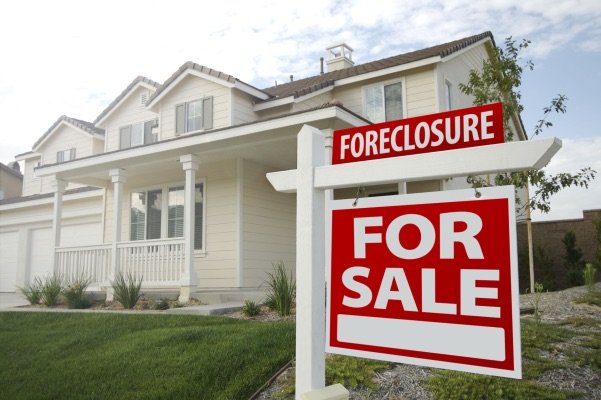
Homeownership is a big long-term goal for a lot of people, but rising prices, and the reality that life doesn’t always stay in one place, can make it feel tough to pull off. One path that can make buying more attainable is a foreclosed home.
A foreclosure happens when an owner can’t keep up with mortgage payments and the lender takes the property back. Because these homes are often priced below similar homes, they can come with real savings. That said, they also come with a few extra wrinkles you’ll want to understand before you jump in.
Below is a simple walkthrough of how foreclosures work, the main ways people buy them, the pros and cons, and practical tips to help you decide if it’s a smart move for you.
What Is a Foreclosed Home?
A foreclosed home is a property that was taken back by the lender. The process usually goes through three stages:
Pre-foreclosure: The homeowner receives notice that the lender plans to foreclose unless they catch up on what’s owed.
Auction: The property is sold to the highest bidder, often starting around the remaining loan balance.
REO (Real Estate Owned): If the home doesn’t sell at auction, it becomes an REO property owned by the bank/lender.
Buying a foreclosed home can save you money, but it often requires extra homework. Many foreclosure homes are sold “as-is,” meaning you’re taking the home in its current condition, repairs and all.
Auction vs. REO (Real Estate Owned) Foreclosures
Auction and REO are the two most common ways to buy a foreclosed home, but they work differently.
Auction properties are sold to the highest bidder at a public auction. They move quickly, and buyers often need cash (or very fast funds). Inspections aren’t always possible, which raises the risk.
REO properties are typically listed by a real estate agent and feel more like a standard home purchase. Most importantly, they usually allow inspections before you close. REOs can still need repairs, but you often get more visibility into condition and more financing choices.
Buying at auction can be faster, but it’s higher risk and offers fewer ways to finance. Buying an REO usually takes longer, but it’s more predictable and more buyer-friendly.
Why Foreclosures Can Be a Good Option for Buyers
Foreclosures can make sense for buyers who want a lower purchase price and are comfortable doing a little extra legwork. Since these homes are often priced below market value, buyers may be able to:
Pay less up front
Build equity faster (if the home is priced well and the market supports it)
Make improvements over time and add value through updates
For some people, a well-chosen foreclosure can become a solid long-term home or even an investment down the road.
Risks and Challenges When Buying a Foreclosed Home
Foreclosures can be a good deal, but you should go in with eyes open.
Property Condition
Foreclosed homes are sometimes in rough shape. Maintenance may have been delayed, and appliances or fixtures may be missing. Repairs can get expensive quickly.
Bidding Wars
Well-priced foreclosures attract attention from investors and bargain hunters. Competition can push the price up and shorten decision timelines.
Time Constraints
Even though auctions can move quickly, the foreclosure process itself can be slow and unpredictable. REO purchases can take longer than you’d expect, especially if repairs or bank paperwork slow things down.
Uncertainty
Foreclosure deals don’t always move smoothly. Delays happen, and sometimes the deal falls apart late in the process. Having a backup plan helps.
How to Find Foreclosed Homes for Sale
Online Listings
Search online foreclosure listings in your area. Most sites let you filter by price, location, and property type.
Real Estate Agents
Working with an agent who handles foreclosures regularly can save you time. They can help you spot red flags, compare values, and understand the fine print.
Government Listings
Agencies like HUD and other government entities sell foreclosed homes through online portals. These listings can be worth checking as part of your search.
Auctions
Many foreclosures sell at public auctions. These often require funds up front and come with “as-is” risk, so be cautious and do your research.
Financing a Foreclosed Home
Buyers can finance a foreclosed home with several loan types, including conventional, FHA, VA (if eligible), and other government-backed options. The best approach depends on the home’s condition and your overall financial picture.
If the property needs major work, you may want to explore a renovation loan, such as an FHA 203(k) or other renovation-style programs that let you finance the purchase and the repairs in one loan.
Buying a Foreclosed Property With a VA Loan (If Eligible)
If you qualify for a VA loan, it can be a strong option for a foreclosed home because of benefits like low or no down payment and no private mortgage insurance (PMI).
The big catch: the home still has to meet basic livability standards during the VA appraisal process. If the property needs significant repairs, it may not qualify unless repairs are completed or structured appropriately.
Some people assume VA loans won’t work for foreclosures, but they often can, as long as the home meets the loan requirements.
Steps to Take Before Buying a Foreclosed Home
Get pre-approved for a loan.
Know your budget and have a lender ready. Foreclosure opportunities can move fast.Hire a home inspector.
If inspections are allowed, get a professional inspection and take the findings seriously.Research repair costs.
A lower price can be appealing, but expensive repairs can change the math quickly.Understand the foreclosure timeline.
Expect paperwork delays and build in extra time when planning your move and your closing.Work with an experienced real estate agent.
Foreclosures have more moving parts. A knowledgeable agent can help you avoid common mistakes.
Frequently Asked Questions About Buying a Foreclosed Home
Are there any special programs for buyers purchasing a foreclosed home?
Some buyers may qualify for certain government-backed programs or special financing options depending on the property and the loan type. If you’re eligible for a VA loan, that can be a strong option as well.What should I look for when inspecting a foreclosed home?
Pay close attention to plumbing, electrical, foundation issues, roof condition, HVAC, and signs of water damage. Since many foreclosures are sold “as-is,” a thorough inspection is a must when it’s available.Can I negotiate the price of a foreclosed home?
Yes, often with REO (bank-owned) homes. Auctions are bid-driven, but with REOs, the bank sets a list price and may consider offers (especially if the home needs repairs or has been sitting).How long does it take to buy a foreclosed home?
It depends. Auctions can close quickly, sometimes within weeks. REO purchases can take longer, often 30 to 60 days, since they follow a more traditional path with inspections, appraisal, and negotiations.Are there extra costs with foreclosures?
Potentially. Repairs are the big one, but there can also be unpaid taxes, liens, or legal costs related to clearing title. A good title company and solid due diligence are important.
Buying a foreclosed home can be a smart way to find a lower-priced property and build equity over time, but it isn’t a “click and buy” situation. The best outcomes usually come from careful research, realistic repair budgeting, the right financing, and a team that knows the foreclosure process. With the right plan, a foreclosure can turn into a great home and a strong long-term asset.
