
How to Balance Your Dream Home with Your Real Budget
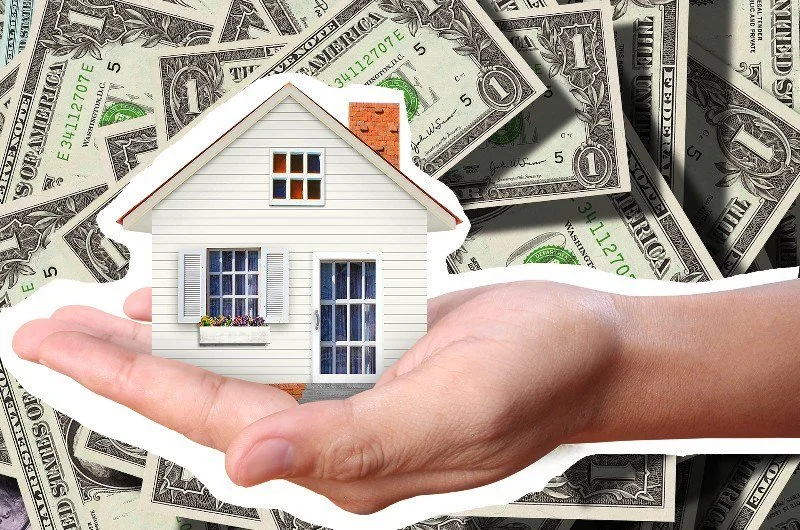
If you’ve ever watched a home-buying reality show, you’ve probably seen the same scene play out again and again: a couple walks into a stunning house, instantly falls in love, and then hears the price, far beyond what they can afford. It makes for entertaining television, but it also highlights a common real-life challenge. The home we picture in our minds doesn’t always match what our budget can support.
The good news is that you don’t have to learn this lesson the hard way. With a little preparation and a realistic approach, you can avoid disappointment and make smart decisions that move you closer to homeownership without stretching yourself too thin.
Here’s how to balance your home-buying dream with your budget reality.
Start with a Loan Pre-Qualification
Before you get serious about touring homes or browsing listings late into the night, it helps to understand how much financing you may qualify for. A mortgage pre-qualification gives you a rough estimate of what a lender might be willing to lend based on information you provide about your income, debts, and credit.
Pre-qualification is not a commitment and doesn’t involve a deep financial review, but it’s a useful starting point. Once you see the numbers, you may realize your budget aligns well with your expectations, or you may find that interest rates or other factors limit your buying power more than anticipated.
If the numbers don’t work right away, this is the moment to pause and reassess. Improving your credit score, paying down debt, or adjusting your savings plan can all improve your options when you’re ready to move forward.
Keep an Open Mind and Expect Some Compromise
Once you know your estimated price range, take a look at what’s available in the areas you like. This step can be eye-opening. The same budget can buy very different homes depending on location, neighborhood demand, and housing type.
Instead of getting discouraged, ask yourself what really matters. If a move-in-ready single-family home is out of reach, consider alternatives like a townhouse, condo, duplex, or a home that needs cosmetic updates. Many buyers find that compromising on finishes or size allows them to live in a location they truly love.
It’s also helpful to revisit your priorities. Common buyer wish lists often include a short commute, good schools, affordability, home size, desirable amenities, and move-in-ready condition. In competitive markets, it’s rare to get everything at once. Reordering your priorities or letting go of one or two items can make the difference between buying now and waiting longer than planned.
Take the Next Step with Mortgage Pre-Approval
If pre-qualification encourages you to keep going, the next step is mortgage pre-approval. Unlike pre-qualification, pre-approval involves a detailed review of your finances, including income verification, credit history, debt-to-income ratio, and overall financial stability.
Pre-approval gives you a much clearer picture of what you can afford and shows sellers that you’re a serious, prepared buyer. During this stage, it’s important to avoid making major financial changes. Large purchases, new credit accounts, or significant credit card balances can affect your loan terms or even your approval.
This is the time to keep your finances steady. The new furniture, upgrades, or big-ticket purchases can wait until after closing.
Budget for Closing Costs and Taxes
Many buyers focus only on the purchase price, but it’s important to account for the full cost of buying a home. Closing costs typically include lender fees, title services, escrowed insurance, and property taxes. These expenses can add up quickly.
A smart approach is to shop for homes slightly below your maximum budget, giving yourself room to cover these additional costs without stress. Your lender can provide estimated closing costs early in the process, and your real estate agent can help you understand typical tax rates in the area you’re considering.
Planning for these expenses upfront helps ensure that your home purchase feels comfortable, not overwhelming, once everything is finalized.
Think Long-Term and Build Wealth Thoughtfully
Buying a home is exciting, and it’s natural to start imagining renovations and décor the moment you get the keys. While making a home your own is part of the fun, it’s important to think strategically about where your money goes.
Some improvements add more long-term value than others. Kitchens, bathrooms, flooring, and curb appeal often offer stronger returns than highly personalized upgrades. Location and layout matter too; those are things you can’t change later.
Instead of focusing on perfection from day one, look for a solid home in a neighborhood you love and see the potential. Cosmetic updates can often be done over time and within a reasonable budget.
Turning an Affordable House into Your Dream Home
Many buyers discover that the home they can afford doesn’t match the polished image they had in mind—and that’s okay. This is often where creativity and practicality come together.
Simple, affordable updates can make a big difference. Fresh paint, updated lighting, new rugs, seasonal décor, or refreshed landscaping can completely change how a home feels. Even small projects can bring personality and comfort into a space without breaking the bank.
With time, effort, and thoughtful planning, it’s possible to create a home that fits your lifestyle and your budget. The goal isn’t to buy perfection, it’s to build it in a way that supports your financial future.
Final Thoughts
Those reality TV moments where buyers fall in love with homes they can’t afford may be dramatic, but they carry a useful lesson. A successful home purchase starts with understanding your finances, staying flexible, and making decisions that balance emotion with practicality.
With preparation, patience, and a willingness to compromise where it makes sense, you can find a home that feels right, without putting your financial well-being at risk.
