
Remote Home Buying or Renting: How to Reduce Risk
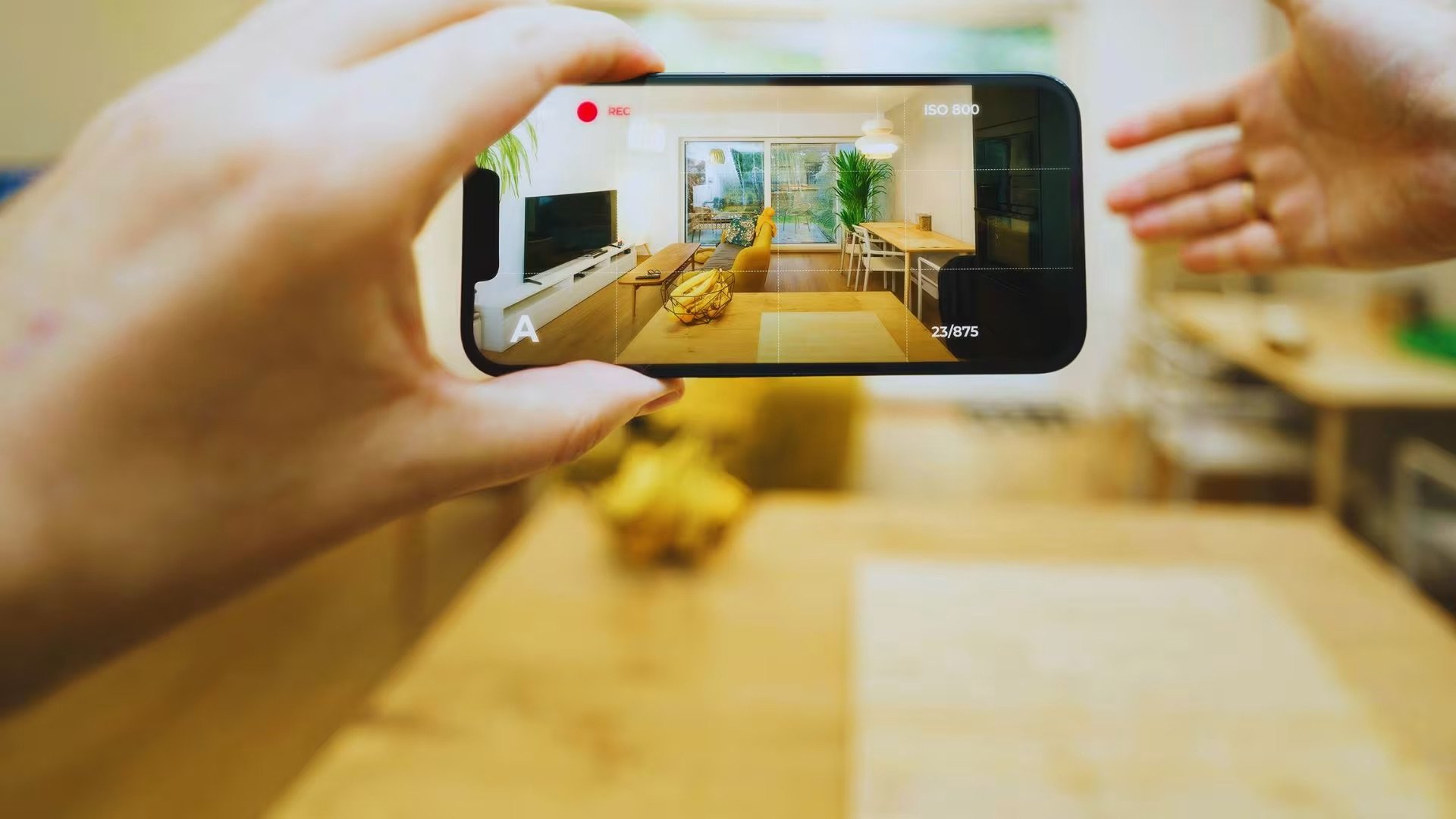
Buying or renting a home sight unseen is more common than ever. Maybe you’re relocating on a tight timeline, moving across the country, competing in a fast market, or you simply can’t squeeze in a scouting trip. Sometimes, you have to make decisions from a distance.
While remote buying or renting can solve real logistical problems, it also raises the risk of scams, surprise property issues, and legal headaches. The good news: a few extra precautions can dramatically lower the chances of frustration, disappointment, or financial loss.
Protect Yourself from Rental and Listing Scams
Start by understanding how fake listings and payment scams usually work. In many cases, someone creates a false rental or for-sale listing often on social media, but sometimes on legitimate platforms too.
These scams rely on photos, videos, and remote transactions to hide a simple truth: the “landlord” or “seller” doesn’t actually own the property.
A strong first step is to work with a verified real estate professional who can help confirm details from the ground. A good agent can preview properties, verify ownership, and point out issues you won’t catch in listing photos, like odors, noise, traffic patterns, parking limitations, or whether the area fits what you’re looking for.
Due Diligence When Renting or Buying Directly From an Owner
Not every great home is listed with an agent. If you’re renting or buying directly from an owner (including For Sale By Owner), do your homework:
Confirm ownership using local land and tax records.
Use Google Maps (and Street View) to check the neighborhood beyond the listing photos.
Run a reverse image search on listing photos to see if they appear elsewhere online with different details.
Ask someone local to do a quick drive-by or walk-through: a friend, family member, coworker, or trusted local contact.
Use your network to see if anyone recognizes the owner/landlord or can verify the situation.
Verify Property Condition
Once you’re confident the property and owner are real, the next step is confirming the condition matches the listing or building in protections in case it doesn’t.
For Renters
Ask:
How long the property has been a rental
Whether the owner currently lives there (or when they last did)
When the owner last walked the property in person
Long-distance owners sometimes haven’t seen their own rental in years and are genuinely surprised when deferred maintenance shows up.
For Homebuyers
When buying, make inspections a priority. A standard home inspection is a strong baseline, and you may also need specialized inspections depending on the home and what the general inspection reveals.
Examples include:
Pool inspection
Fireplace inspection
Structural inspection
The more qualified eyes on the home, the more likely you’ll uncover issues that don’t show up in photos or video. Inspectors can also help spot signs that something about the transaction itself feels off.
You may also want to:
Hire a surveyor to confirm boundaries and identify potential red flags
Call the city/county to confirm ownership details and check for items like permits or outstanding issues tied to the property
Red Flags to Watch for in the Transaction
Time pressure makes it easier to overlook warning signs, so slow down just enough to evaluate the situation.
Be cautious of:
Prices that seem too good
Sellers/landlords pushing a rushed closing or move-in
Anyone who refuses to speak by phone or video
Deals that stay entirely online with no verifiable local proof
Those can be signals of a fake listing, payment scam, or even title fraud.
Protect Yourself in the Home Buying Process
Homebuyers should choose their own title company or closing attorney. Look for strong reviews, verify credentials, and confirm they’re properly licensed in your state.
Ask them to:
Confirm title and check for liens
Verify the seller’s identity
Explain your title insurance options
Consider purchasing an owner’s title policy, which can protect you if title issues surface later. In higher-risk situations, some buyers also choose to hire a separate real estate attorney to represent them directly.
Extra Protection When Renting Sight Unseen
Many of the same principles apply when renting remotely. Read the lease carefully and make sure you understand the terms, especially anything related to deposits, repairs, move-in condition, and early termination.
If you can, have a qualified professional review your lease (local legal services, a trusted attorney, or another reputable resource).
Also, be thoughtful about payments:
Verify the landlord’s identity matches the payment method
Use reversible or traceable payment options when possible
If using an app (like Venmo), confirm the account name aligns with the owner’s name
Navigating Remote Renting and Buying With Confidence
Buying or renting a home sight unseen can make a move easier, but only if you build in smart safeguards. A little extra diligence upfront can expose scams, misrepresentation, or misunderstandings before they turn into expensive problems, helping you move forward with more confidence and protection.
