
What You Need to Know For Your First PCS Move
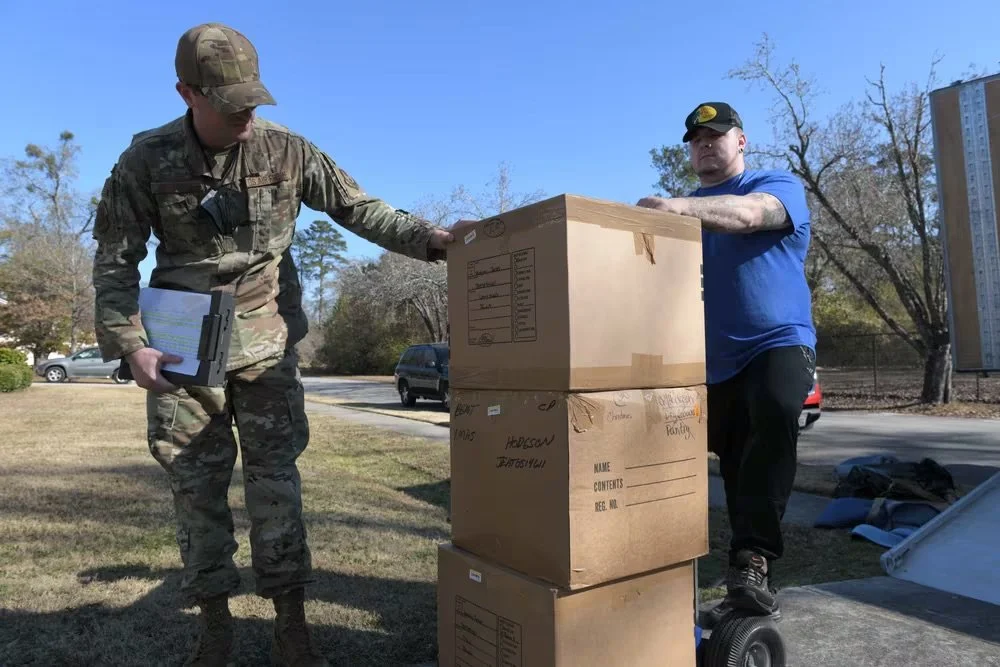
Your first PCS move is exciting, overwhelming, and unpredictable all at once. You’re suddenly researching communities you’ve never visited, sorting through housing options, juggling deadlines, and trying to make smart decisions with limited information. The phrase “you don’t know what you don’t know” sums up the entire experience. Even seasoned military families will tell you that every move teaches them something new.
The good news? With the right preparation and a clear understanding of the major steps, your first PCS can feel far more manageable. This guide walks you through the essential pieces: housing, schools, employment, pets, overseas requirements, and organization so you can feel more confident heading into the process.
Start by Exploring Your Housing Options
Housing tends to be the biggest source of stress during a PCS move, especially when you’re trying to time your search around orders, packing, and travel. Whether you plan to rent or buy at your next duty station, it helps to start gathering information as early as possible. Ask other military families about neighborhoods they’ve lived in, pay attention to commute times and school zones listed in real estate descriptions, and get a sense of what different areas offer. A REALTOR® who understands military moves can be an invaluable resource here, especially if you’ll be house hunting remotely.
If you already own a home, you’ll have an additional decision to make: whether to rent it out or sell it before moving. Renting sounds straightforward, but long-distance landlord responsibilities can be time-consuming and stressful. Property managers can help, but they come with added costs. Selling, on the other hand, requires preparing the home quickly and working with an agent who understands your timeline and the urgency that comes with unexpected PCS orders. No matter which direction you choose, start early; cleaning, organizing, and preparing your home for the next chapter always takes longer than expected.
Get to Know Your New Hometown
As you research housing, you’ll naturally begin learning about the surrounding community. Property listings and neighborhood descriptions often highlight local schools, commute convenience, nearby shopping, parks, and community amenities. These small details help you identify which areas might feel like the right fit.
Once you have a few neighborhoods in mind, dig deeper into what day-to-day life looks like there. Review local government websites, community forums, and social media groups to understand the atmosphere, traffic patterns, and lifestyle. Even small insights like knowing which base gates close early or which neighborhoods flood during heavy rain can influence your decision.
Understand School Options Early
Choosing the right school can be one of the most important and most stressful parts of a PCS move. Military children move more often than most, so stability and support matter. Parents often begin with school rating websites, but official state and district education websites provide a fuller, more accurate picture of academic performance, special programs, and teacher retention.
If your child has special education needs or requires specific services, reach out to the district or school directly to understand how they handle transfers, records, and continuity of care. Because each state operates differently, it’s worth building extra time into your PCS planning to make sure nothing gets lost in the shuffle. A little preparation upfront can prevent delays, misunderstandings, and unnecessary stress once you arrive.
Consider Military Spouse Employment and Education
PCS moves can significantly impact a spouse’s career, sometimes forcing them to start over in a new location, navigate licensing requirements, or search for fresh opportunities. Before the move, think about what career options are available in your new area and whether remote or hybrid work could offer more stability. Many military spouses also use PCS transitions as a chance to explore new fields, return to school, or obtain additional certifications. The employment landscape for military spouses has expanded in recent years, but it still requires planning and persistence.
Plan Early for Overseas Moves
If your PCS orders send you overseas, every part of the process becomes more detailed. Medical screenings, paperwork, and travel coordination all require extra time. Housing availability may be limited, and temporary lodging situations often play a larger role.
Pet owners also face additional hurdles. Transporting pets overseas can involve strict airline rules, seasonal flight restrictions due to heat or cold, quarantine requirements, and a long list of veterinary documents. Start your research early and speak with your veterinarian about timelines, health certificates, and carrier requirements. Planning ahead significantly reduces stress, not just for you, but for your pets as well.
Prepare for Moving With Pets (Even for Stateside Moves)
Moving with pets inside the continental U.S. still brings its own challenges. Not all rentals accept pets, and those that do often have size, breed, or quantity restrictions. Additional deposits or monthly pet fees may apply. During travel, pets need appropriate carriers, updated vaccination records, and their own “go bag” with food, medicines, and comfort items. Thinking through these details early keeps your move smoother for every member of the family.
Stay Organized With a PCS Binder or Digital Hub
With so many moving parts, staying organized is half the battle. Whether you prefer a three-ring binder or digital folders, gather your important documents in one place: orders, housing information, school records, pet documentation, contact lists, financial paperwork, and anything related to reimbursements or claims. When questions arise—and they will—you’ll save time and stress by knowing exactly where everything is.
A first PCS move comes with a steep learning curve, but you don’t have to have everything figured out at once. Focus on understanding your housing options, researching your new area, planning for school and work changes, and preparing early for pets or overseas requirements. Each PCS teaches you something new, and before long, you’ll find your rhythm.
