
What Military Buyers Need to Know About VA Property Standards
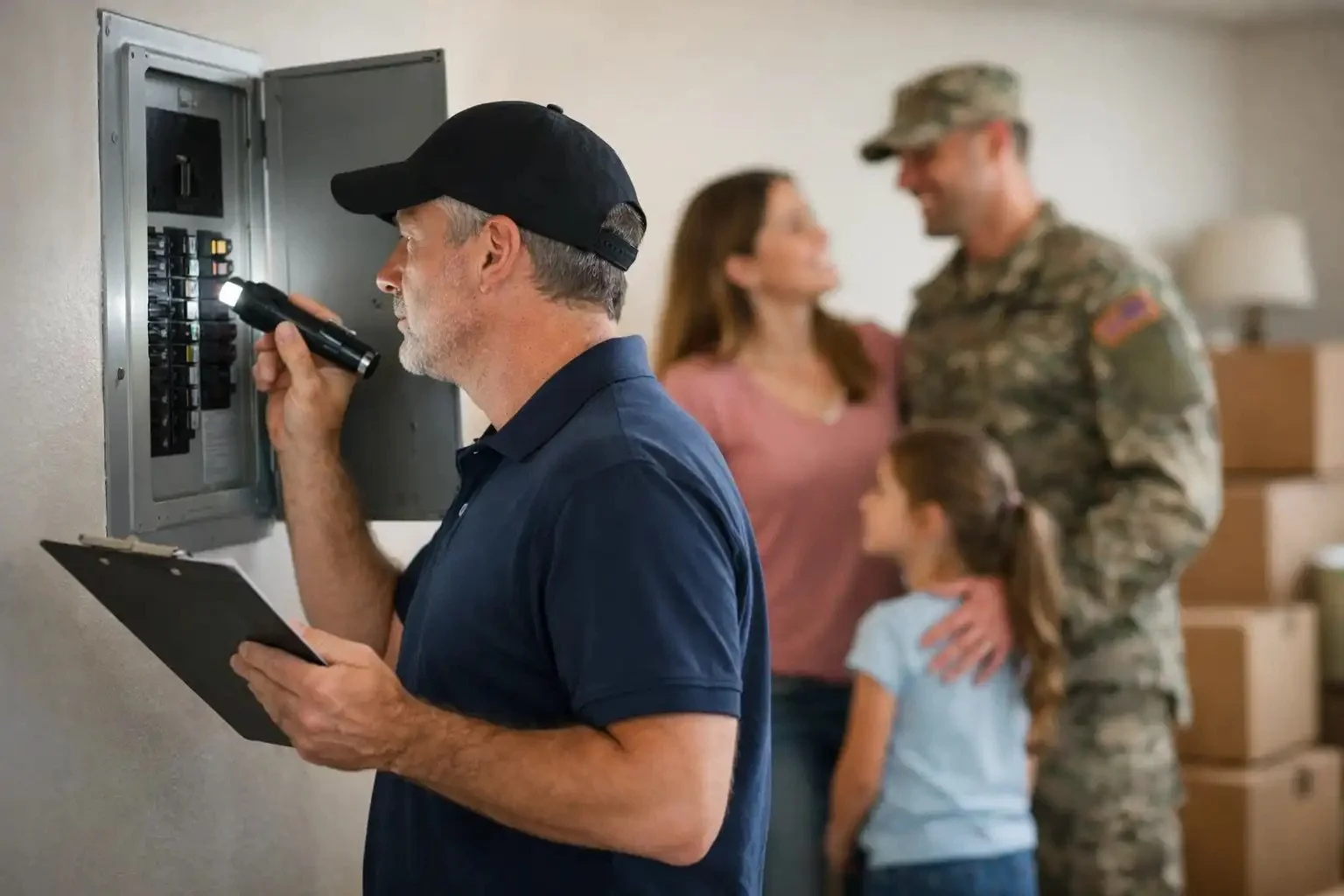
If you are planning to buy a home with a VA loan, you have probably heard about eligibility, funding fees, appraisals, and loan limits.
But there is another piece of the process that can affect whether the home actually makes it to closing: MPRs (Minimum Property Requirements). MPRs are the basic property standards a home must meet for a VA loan. The goal is simple: the home needs to be safe, structurally sound, and sanitary.
That does not mean the home has to be perfect. It does not need a brand-new kitchen, updated flooring, or fresh paint in every room. But it does need to meet certain standards before the loan can move forward. For military buyers, especially those on a PCS timeline, understanding MPRs can help you avoid surprises, delays, and unnecessary stress.
Why VA Property Standards Exist
The VA home loan benefit is designed to help eligible service members, veterans, and surviving spouses buy a home. But the VA also wants to make sure the home is a reasonable place to live. That is where MPRs come in.
These standards help protect buyers from purchasing a home with major safety, structural, or health-related concerns. They also help protect the lender and the VA, since the property serves as the collateral for the loan. In plain English: the home does not have to be fancy, but it does need to be livable.
What the VA Appraiser Looks For
When you use a VA loan, a VA-approved appraiser reviews the home.
The appraiser has two main jobs:
Provide an opinion of the home’s value
Identify obvious property condition concerns related to MPRs
That second part is where buyers sometimes get confused. The appraiser is not doing a full home inspection. They are not testing every outlet, crawling into every corner, or giving you a detailed repair list the way a home inspector would. They are looking for obvious concerns that may affect safety, structure, sanitation, or the home’s basic livability.
Common Issues That Can Create VA Appraisal Problems
Every home is different, but certain issues are more likely to cause problems with a VA appraisal.
Peeling or Chipped Paint
Peeling or chipped paint can be an issue, especially in homes built before 1978 because of possible lead-based paint concerns. This can apply to interior walls, exterior siding, trim, porches, railings, sheds, garages, or other painted surfaces. For military buyers, this matters because something that seems small during a showing can become a required repair before closing.
Roof Problems
The roof needs to be in acceptable condition. Missing shingles, active leaks, visible damage, or a roof that appears near the end of its useful life may raise concerns. The VA is not requiring the roof to be new, but the home does need to provide safe and reliable shelter.
Heating and Mechanical Systems
The home needs safe and functional mechanical systems. That may include heating, electrical, plumbing, and other major systems. If a system is present, it generally needs to be safe and working properly.
In Hampton Roads, I also pay attention to moisture, crawl spaces, heating and cooling performance, and signs of deferred maintenance. Those issues can affect comfort, repair costs, and sometimes the loan process.
Water, Plumbing, and Sanitation
The property needs access to safe water, working plumbing, hot water, and proper sewage disposal. This is not just a convenience issue. It goes directly to whether the home is sanitary and usable as a residence.
Wood Damage and Wood-Destroying Insects
Rotten wood, termite damage, dry rot, or signs of wood-destroying insects can create problems. In our area, this is a big one. Hampton Roads has plenty of crawl spaces, moisture, humidity, and older homes. That combination makes wood damage and wood-destroying insect concerns something buyers should take seriously. If damage is visible or active infestation is found, repairs or treatment may be needed before closing.
Safety Hazards
The home should have safe access and be free from major hazards that affect normal use. That can include unsafe stairs or railings, exposed wiring, serious trip hazards, structural concerns, or environmental issues. The point is not to make the home perfect. The point is to make sure the home is reasonably safe to occupy.
What Happens If the Appraiser Flags an Issue?
An MPR issue does not always kill the deal. It does mean the issue has to be addressed before the loan can move forward, unless a proper waiver or alternative is approved where allowed.
In many cases, the seller agrees to complete the repair before closing. Sometimes the buyer and seller negotiate how the repair will be handled. In certain situations, an escrow holdback may be discussed, but that depends on the lender, loan guidelines, repair type, timing, and approval process.
The important thing is to talk through the options early. If you are buying on a PCS timeline, a repair delay can affect temporary lodging, household goods delivery, school enrollment, and your move-in plan.
Can You Buy a Fixer-Upper With a VA Loan?
Yes, but it depends on what you mean by fixer-upper. If the home needs cosmetic updates, that usually is not a problem. Outdated carpet, old wallpaper, older cabinets, worn countertops, dated fixtures, or a kitchen that needs style updates are not automatically VA deal breakers. But major condition issues are different.
A home with a failing roof, unsafe electrical system, non-functioning plumbing, structural problems, missing flooring, or serious damage may not meet MPRs without repairs. The VA loan is not designed to help buyers purchase a house that is unsafe or unlivable in its current condition.
There are VA renovation loan options in some situations, but not every lender offers them, and they can involve more steps, contractor requirements, and timelines. If that is something you are considering, talk with an experienced VA lender early.
VA Appraisal vs. Home Inspection
This is one of the most important points for military buyers:
A VA appraisal is not the same as a home inspection. The appraisal helps confirm value and whether the home meets basic VA property standards. A home inspection is for you, the buyer.
A good home inspector will look much more closely at the property’s condition. They will review major systems, structure, roof, plumbing, electrical, crawl space, attic, appliances, drainage, and other areas that may not be fully evaluated during an appraisal. That inspection report helps you understand what you are buying.
Even if the home passes the VA appraisal, it can still have repair needs, aging systems, maintenance concerns, or future expenses. Do not skip the inspection just because the home has to meet VA standards.
Why Timing Matters for Military Buyers
Military buyers often do not have unlimited time. You may be trying to buy while still stationed somewhere else. You may be working around orders, leave dates, school calendars, deployment schedules, or temporary lodging limits. That is why MPRs matter so much.
A small issue that could be fixed in a week may not feel small when your movers are already scheduled and your family needs a place to live. When touring homes, try to watch for obvious concerns before writing an offer. Peeling paint, roof damage, visible rot, missing handrails, broken windows, major water stains, and unsafe conditions should all be discussed up front. A good REALTOR® and lender can help you decide whether a home is likely to create VA appraisal concerns before you get too far into the process.
What Buyers Should Watch For During Showings
You do not need to be an inspector, but you can still pay attention.
When walking through a home, look for:
Peeling or chipped paint
Rotten or damaged wood
Missing handrails
Roof stains or ceiling stains
Soft spots in floors
Signs of moisture or mold
Exposed wiring
Broken windows
Plumbing leaks
Inoperable heating or cooling systems
Crawl-space moisture concerns
Termite or wood-destroying insect damage
Unsafe steps, decks, or porches
None of these automatically mean you should walk away, but they are worth discussing before you make an offer.
How to Make a Stronger Offer With a VA Loan
Some sellers still misunderstand VA loans. They may think every VA loan is difficult, slow, or full of impossible repair demands. That is not true. But it does mean your offer should be structured carefully.
A strong VA offer should include:
A lender who understands VA loans
Clear communication about timelines
A realistic look at property condition
A plan for possible appraisal-required repairs
A REALTOR® who can explain the process professionally
Reasonable expectations from the buyer and seller
When everyone understands the process, VA loans can be very smooth.
Final Thoughts
MPRs are not something to fear. They are there to help make sure the home is safe, structurally sound, and sanitary. For military buyers, the key is knowing what to look for before you write an offer. Cosmetic updates are usually fine. Major safety, structural, sanitation, or wood-damage issues may need to be repaired before closing. And remember, the VA appraisal is not a replacement for a home inspection. Use both.
The appraisal helps satisfy the loan requirements. The inspection helps you understand the condition of the home you are buying. When you are moving on PCS orders, the right preparation can save time, reduce stress, and help you make a better decision before closing day.
