
Seller Disclosures and Home Inspections: What Buyers Need to Know
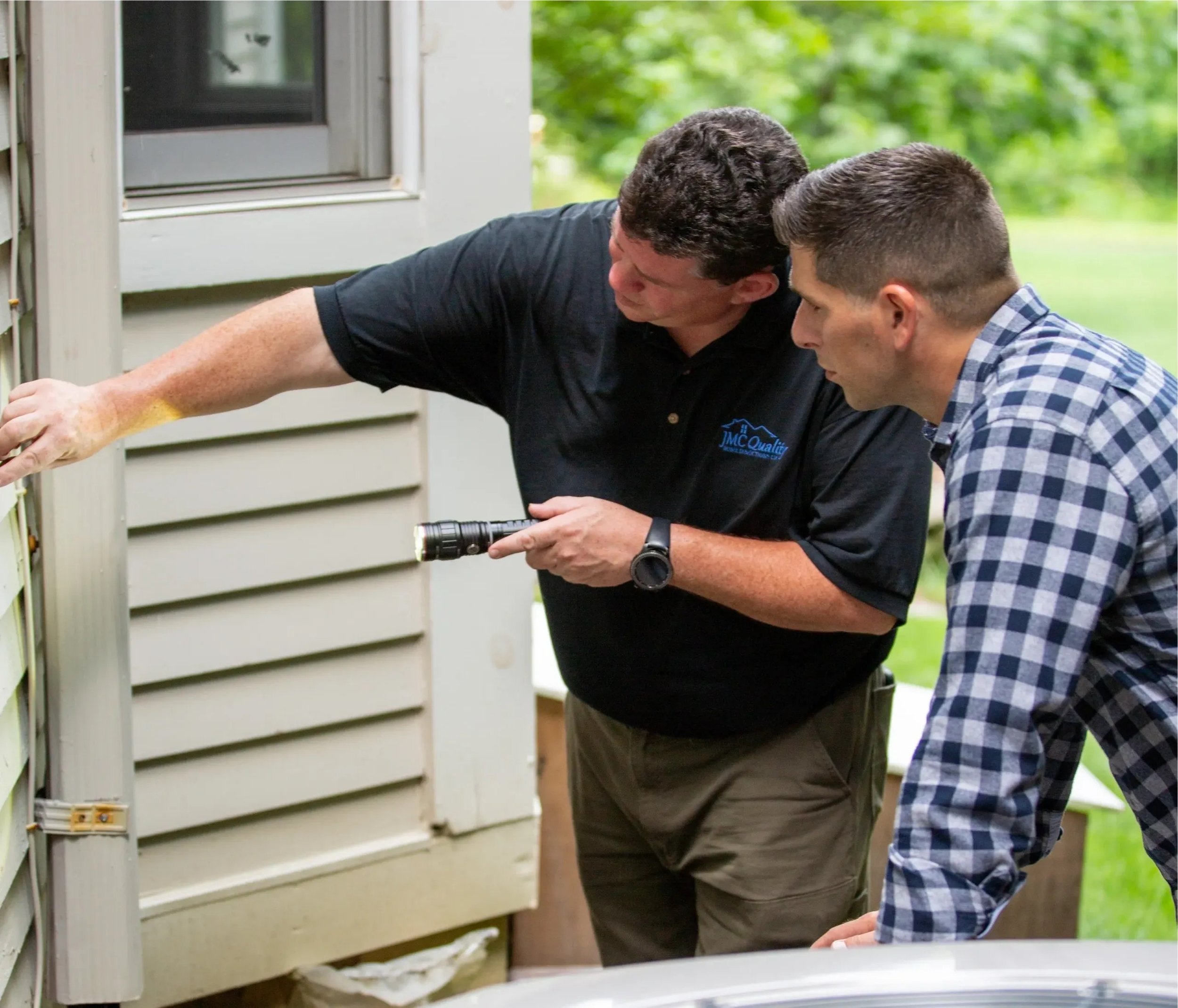
Buying a home is exciting, but it also comes with plenty of questions, especially when it comes to inspections, disclosures, and what a seller is actually required to share before closing.
These are important parts of the process because they can help you avoid costly surprises and make better decisions before you move forward. Whether you are buying your first home, considering a property being sold as-is, or shopping in a market like Hampton Roads where homes can move quickly, it helps to understand how these pieces work together.
What Are Seller Disclosures?
Seller disclosures are written statements that share known information about a property’s condition.
In real estate, the term material defect usually refers to a serious issue that affects a home’s value, safety, or structural integrity. In many states, sellers are required to disclose known issues of that nature. The goal is not to scare buyers away. It is to create transparency and reduce the chance of problems coming up after closing.
There are generally two types of defects buyers hear about:
Patent defects, which are visible issues that a buyer may be able to notice during a showing or walk-through
Latent defects, which are hidden problems that are not easy to spot right away
Examples of issues that may need to be disclosed can include water damage, roof leaks, foundation problems, mold, plumbing or electrical issues, pest history, fire damage, sewer or septic concerns, and certain boundary or easement issues.
What Sellers May Not Have to Disclose
Not every issue falls into the same category, and disclosure requirements can vary by state.
Some things that may not always require disclosure include:
Cosmetic wear and tear
Certain neighborhood concerns that are public record
School quality opinions
Issues the seller truly does not know about
That last part matters. In general, sellers are expected to disclose known material issues, not problems they were genuinely unaware of.
What “Buyer Beware” and “As-Is” Really Mean
You may hear phrases like buyer beware or as-is during the home buying process.
Buyer beware means the buyer has a responsibility to do their own due diligence before purchasing.
As-is usually means the seller is offering the home in its current condition and does not plan to make repairs.
That does not mean the seller can hide known issues. It also does not mean the buyer has no protections. Buyers can still conduct inspections, ask questions, negotiate, or walk away if their contract allows it.
This is exactly why inspections matter.
Why a Home Inspection Is So Important
A home inspection gives the buyer a closer look at the property’s condition before closing.
After a home goes under contract, the buyer typically hires a licensed home inspector to review major systems and visible structural components. The inspector then provides a report showing concerns, recommended repairs, and maintenance items that may need attention.
A standard inspection often covers:
Roofing
Foundation
Plumbing
Electrical
HVAC
Attic and crawl spaces
Drainage
Appliances
Safety concerns
For buyers, this report can be one of the most valuable tools in the transaction because it provides information you are unlikely to get from a showing alone.
My Recommendation on Inspection Contingencies
In competitive markets, some buyers think about waiving the inspection contingency to make their offer more attractive.
I generally do not recommend waiving that contingency. A better option is often to make the inspection for informational purposes only. That tells the seller you do not plan to ask them to make repairs, while still keeping the inspection contingency in place so you can fully understand what you are buying before moving forward.
That approach can help balance protection for the buyer with a cleaner offer for the seller.
When a Specialized Inspection May Make Sense
A general home inspection is a great starting point, but sometimes a more specialized inspection is worth considering.
That may include:
Sewer scope inspections for older homes
Septic or well testing for rural properties
Pest inspections in areas where termites are common
Structural evaluations when there are signs of movement or settling
Roofing inspections when the roof’s condition is uncertain
Mold or moisture testing if there are signs of water intrusion
In Hampton Roads, moisture, crawl space concerns, and flood-related questions can come up depending on the location and age of the home, so knowing when to dig deeper can be especially important.
Understanding the Inspection Timeline
Inspection deadlines usually begin once the contract is ratified.
The contract typically spells out how long the buyer has to complete inspections and how long the parties have to respond to findings. These timeframes are often short, which is why buyers need to stay organized and move quickly once they are under contract.
Missing a deadline can affect your rights under the contract, so this is one area where details really matter.
Can a Seller Refuse an Inspection?
A seller can choose not to accept an offer that includes an inspection contingency. They may also counter with different terms or a shorter timeline.
Once both parties sign a contract, though, inspection rights are governed by that agreement. If the contract gives the buyer the right to inspect, those terms matter.
This is one more reason why clear contract language is so important from the start.
What Happens if the Inspection Finds Major Problems?
Sometimes the inspection reveals issues that are bigger than expected. That does not always mean the deal is dead, but it does mean the buyer needs to decide how to move forward.
Possible options may include:
Requesting repairs
Asking for a credit at closing
Renegotiating the purchase price
Getting additional inspections or specialist opinions
Terminating the contract if allowed under the agreement
The seller may not be required to fix every issue, but once a serious problem becomes known, they may have an obligation to disclose that issue to future buyers if the current deal falls through.
VA Appraisals and Home Inspections Are Not the Same
This is an important distinction for buyers using a VA loan.
A VA appraisal is designed to confirm value and check that the home meets certain minimum property standards. It is not the same thing as a full home inspection.
A home inspection is usually much more detailed and gives the buyer a better overall picture of the property’s condition. Even when a loan program does not require one, it is still often worth doing.
What Sellers Should Do Before Closing
The condition of the home still matters right up to closing day.
If something changes after the contract is signed, such as a new leak, storm damage, or an appliance failure, it should be addressed and documented appropriately. Buyers often complete a final walk-through shortly before closing to confirm that agreed-upon repairs are done and the home is in the expected condition.
Good communication and written updates help protect both sides.
What if a Problem Is Discovered After Closing?
Sometimes buyers discover an issue after they move in and wonder whether the seller should have disclosed it.
The answer depends on the facts, the contract, and state law. In general, a buyer would need evidence that the seller knew about the problem and failed to disclose it. If that happens, it is important to document the issue and speak with the appropriate professionals about next steps.
Final Thoughts
Seller disclosures and home inspections are there to help buyers make informed decisions. They do not eliminate every risk, but they do give you a better chance of understanding the property before closing and avoiding major surprises later.
If you are buying in Hampton Roads, it is especially helpful to work with a REALTOR® who can explain the process clearly, help you stay on top of contract deadlines, and guide you through inspections in a way that protects your interests without creating unnecessary friction.
