
15 Home Maintenance Tasks Every Homeowner Should Know
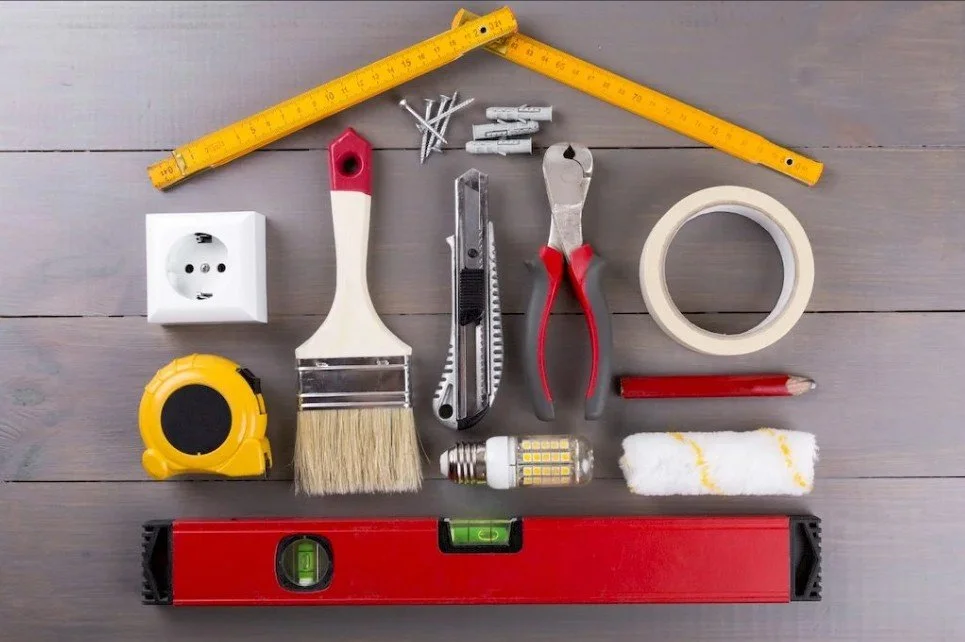
Owning a home comes with a running list of small repairs and seasonal chores. Some jobs are best left to licensed professionals, but there are plenty of basic maintenance tasks that most homeowners can learn to handle with a little time, patience, and the right tools.
Knowing how to take care of the smaller things can save money, prevent bigger problems, and help your home run more smoothly. In Hampton Roads, where humidity, rain, salt air, and seasonal storms can take a toll on homes, staying on top of maintenance is especially important. Here are 15 home maintenance tasks every homeowner should know.
1. Know How to Shut Off the Main Water Supply
Every homeowner should know where the main water shut-off valve is located. If a pipe bursts, a supply line leaks, or a plumbing issue gets out of hand, shutting off the water quickly can help limit damage. Start by checking outside near the foundation, then look in the garage, utility room, basement, crawl space, or a closet.
For smaller issues, like an overflowing toilet, you may only need to use the shut-off valve behind the toilet. But in a true emergency, knowing where the main shut-off is located matters.
2. Unclog a Sink or Drain
A slow drain does not always require a plumber. A separate plunger kept for sinks and tubs can help clear minor clogs. You can also remove and clean the drain stopper, which often collects hair, soap residue, and debris.
If the clog keeps coming back, drains slowly throughout the house, or you notice a sewage smell, it is time to call a professional.
3. Clean Your Washer and Dryer
The appliances that clean your clothes need cleaning too. Front-load washers can hold moisture around the door seal, which may lead to mildew and odors. Once a month, run a cleaning cycle if your washer has one. You can also wipe down the drum, rubber seal, and detergent drawer to keep buildup under control.
Dryer maintenance is just as important. Clean the lint trap before or after every load, and check the dryer duct periodically for lint buildup. Excess lint can affect performance and create a fire risk, so this is one task worth keeping on your regular maintenance list.
4. Re-Caulk Around Sinks, Tubs, and Showers
Caulk helps keep water from getting behind sinks, tubs, and showers. Over time, it can crack, shrink, or become stained beyond cleaning. When that happens, remove the old caulk, clean and dry the area, apply painter’s tape for a cleaner line, and use a caulk gun to apply a fresh bead. Smooth it with a gloved finger or caulk tool, then allow it to cure according to the product instructions.
In humid areas like Hampton Roads, good caulking can help reduce moisture problems before they start.
5. Freshen Up the Garbage Disposal
If your kitchen sink smells unpleasant, the garbage disposal may need attention. A simple cleaning can help. Run cold water, use disposal-safe cleaning products, or try citrus peels in small amounts to freshen the smell. Ice cubes can also help knock loose buildup from the blades.
Avoid putting grease, fibrous foods, or large scraps down the disposal. If odors or drainage issues continue, there may be a deeper clog that needs professional help.
6. Clean the Dishwasher
A dishwasher can collect food particles, grease, and residue over time. If dishes are coming out cloudy or the appliance smells off, it may need a cleaning. Remove and rinse the filter if your dishwasher has one. Then run a cleaning cycle or place a dishwasher-safe cup of vinegar on the top rack and run a hot cycle. Check your owner’s manual first, since some models have specific cleaning instructions.
This small monthly habit can help your dishwasher work better and last longer.
7. Clean Gutters and Downspouts
Gutters are designed to move water away from your roof, siding, and foundation. When they are clogged with leaves and debris, water can back up and cause damage. Clean gutters at least a couple of times a year, especially after leaves fall and after heavy storms. Make sure downspouts are draining away from the foundation.
If you are not comfortable on a ladder, hire someone or use gutter-cleaning attachments that allow you to work from the ground.
8. Add Weatherproofing Around Doors and Windows
Drafts around doors and windows can make your home less comfortable and increase energy costs. Weatherstripping, door sweeps, caulk, and window film can all help reduce air leaks. The right product depends on where the gap is and how large it is.
This is a simple weekend project that can make a noticeable difference, especially during hot Hampton Roads summers and chilly winter mornings.
9. Fix Sticky Drawers
A drawer that sticks every time you open it can usually be fixed without much effort. Start by removing the drawer and checking for loose screws, debris, or warped wood. Rubbing paraffin wax along the contact points can help the drawer slide more smoothly. If that does not work, nylon drawer tape may be a better option.
It is a small repair, but it can make everyday use much less frustrating.
10. Replace Air Filters
Changing air filters is one of the easiest and most overlooked home maintenance tasks. A dirty filter can make your HVAC system work harder, reduce airflow, and affect indoor air quality. Many filters should be changed every 30 to 90 days, depending on the system, the filter type, pets, allergies, and how often the system runs.
In our area, where air conditioning gets a workout for much of the year, staying on top of filter changes is a smart habit.
11. Patch Small Holes in the Wall
Small wall dents and nail holes are common, especially after moving furniture or changing wall decor. For small holes, use spackle, smooth it with a putty knife, let it dry, sand it lightly, and touch up with paint. For larger holes, a patch kit from the hardware store can usually do the job.
The repair itself may be quick, but allow enough time for drying and paint matching.
12. Replace a Basic Light Fixture Carefully
Changing an outdated light fixture can give a room a quick refresh, but this is one project where safety matters. Always turn off power at the breaker before touching the fixture. If the replacement is straightforward and you are comfortable following the instructions, this may be a manageable project. If there is old wiring, unclear connections, or anything that feels beyond your comfort level, call a licensed electrician.
A simple update is not worth taking electrical risks.
13. Pressure Wash Outdoor Surfaces
Pressure washing can make a driveway, patio, fence, deck, or siding look much cleaner. It is especially useful in areas where moisture and shade create mildew or algae buildup. That said, pressure washers can damage wood, siding, paint, and windows if used too aggressively.
Start with the lowest effective pressure, use the right nozzle, and test a small area first. If the surface is delicate or elevated, hiring a professional may be the better choice.
14. Replace a Window Screen
Torn window screens are common, especially in homes with kids, pets, or lots of open-window weather. To repair one, remove the screen frame, take out the old spline and screen material, cut new screen material slightly larger than the frame, and press it into the channel with a screen roller. Then reinstall the spline and trim the excess.
It is an inexpensive fix that can help keep bugs out while still letting fresh air in.
15. Replace Outlet Covers
Replacing outlet and switch covers is one of the quickest cosmetic updates you can make. Unscrew the old cover, line up the new one, and secure it without overtightening. New covers can make a room look cleaner and more finished, especially after painting.
If the outlet itself is loose, cracked, sparking, or not working properly, that is not a cover-plate issue. Call an electrician.
When to Call a Professional
Learning basic home maintenance is valuable, but not every repair should be a DIY project. Some work can create safety hazards, cause costly damage, or require permits and specialized training. In those cases, it is better to bring in a qualified professional.
Repairs that are usually best left to the pros include:
Electrical rewiring
Major plumbing
Roofing
Structural changes
Mold remediation
Asbestos removal
Pest infestations
Significant water damage
Final Thoughts
You do not have to be a contractor to take good care of your home. A few basic skills can help you stay ahead of small issues, save money, and feel more confident as a homeowner.
Start with the simple tasks, know your limits, and do not hesitate to call a professional when safety or major damage is involved. Good maintenance is not about doing everything yourself. It is about knowing what needs attention before a small problem becomes a bigger one.
